April 13th, 2013: First Day!

Today will mark the first official day of the 2013 fishing season. A few of us will be heading out to Amalga Harbor to try our hand at Steelhead trout fishing. There is a small creek that empties into a lake right before the ocean and word has it that there is some decent trout fishing there this time of year. Amalga Harbor is located about 17 miles outside of town and is accessible from the main road. There is a boat launch at the parking lot, however we will be fishing just north of the boat launch. There should be trout running in the Juneau area from April to mid-June with the peak of the season in May.
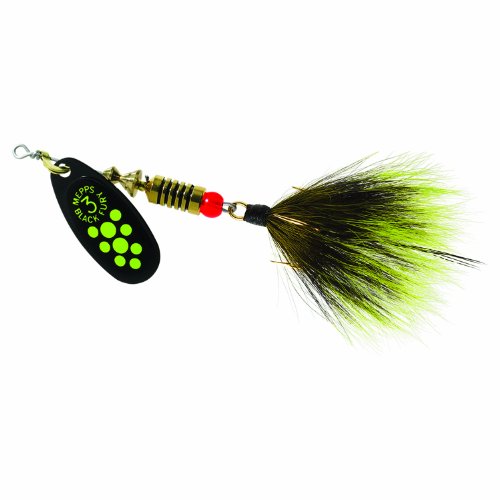
Rod & Reel Setup:
- 6-6.5 foot length pole
- 4-6 pound test line
- Spinner lure weighing 1/16 to 1/4 ounces
This basic setup will allow you to get into the tight spots where trout will likely be. When you are fishing a creek or river cast anywhere from a 45 to 90 degree angle upstream from the bank and allow your line to float downstream. This allows you to cover more ground and increase the chances of you finding a good spot where the fish are. Keeping this in mind, if you are using to heavy of a lure it will sink and most likely get caught in branches, downed logs, or rocks.
Trout Species in Southeast Alaska
There are three main trout species that live in fresh water in Southeast Alaska and are as follows:
Steelhead/Rainbow Trout (Oncorhynchus mykiss):
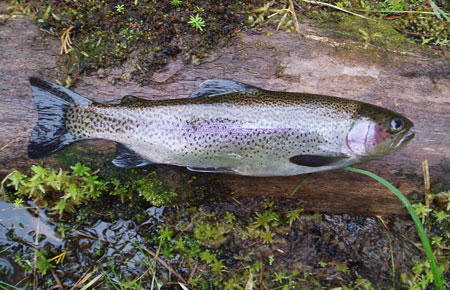 Rainbow and Steelhead trout are the most widely known trout in the world and are highly sought after by anglers because of their strong fighting abilities. In Alaska, there are two commonly recognized forms of the rainbow trout and these sup-groups or "forms" are based primarily on where they spend their time feeding and maturing. The most common rainbow trout in Alaska is the stream-resident form that lives its life entirely in freshwater with maybe short periods of time spent in esturaine or near-shore marine waters. The second form is commonly known as Steelhead and these rainbow trout leave freshwater as juveniles and migrate long distances in the ocean where they grow to maturity before migrating back to their original waters. Their length can range up to 45 inches and weigh up to 55 pounds.
Cutthroat Trout (Oncorhynchus clarkii):
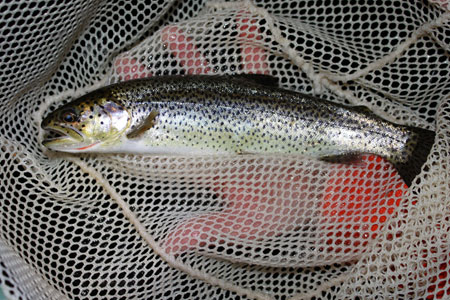
Coastal cutthroat trout occur as sea-run or freshwater-resident forms in streams and lakes along the coastal range from lower Southeast Alaska to Prince William Sound and are the most common trout species in the region. The freshwater-resident form lives in a wide variety of habitats, from small headwater tributaries and bog ponds to large lakes and rivers. Sea-run cutthroat trout are usually found in river or stream systems with accessible lakes, mostly south of Fredrick Sound. In some watersheds, like the Taku River, the two forms are found together. The extent of breeding between the two forms is unknown, and the reason that some fish migrate to sea while others stay in fresh water remains an interesting question. Freshwater-resident fish living in small ponds or streams are typically 6-16 inches in length.
Lake Trout (Salvelinus namaycush):
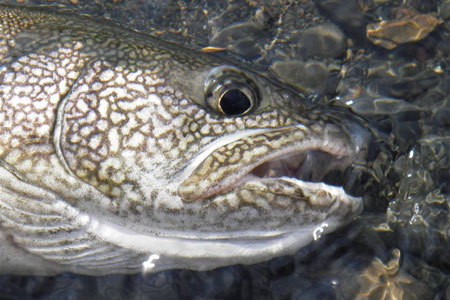
Lake trout have a body shape similar to that of trout and salmon. they generally have small cream or yellow irregular shaped spots on a silvery-to-dark background. Males and females are similar, with males having a slightly longer, more pointed snout. Lake trout can be distinguished from other chars by the absence of pink spots and their deeply forked tail. A breeding male has dark stripes on its side, and lacks the red or orange exhibited by Dolly Varden and Arctic Char. There is usually a white leading edge on the pectoral, pelvic, and anal fin. Alaska lake trout can live longer than 50 years but more typical maximum ages are around 20 years. The maximum size attained in some Alaskan populations probably exceeds 50 pounds, and 8- to 10-pound fish can be taken in many of the state's fisheries. The current record is a 47-pound laker caught in Clarance Lake in July 1970.
*Trout information credit: Alaska Department of Fish and Game
I hope this small trout guide is helpful and I will be updating this section of the blog with current catches and locations (but not to specific) throughout the season.
Happy fishing!
Thank you for reading and if you like this blog please subscribe and share.
-Eric
4.13.13

Great blog, Eric! Very informative and love your photos.
ReplyDelete